
This Changed Everything…
The Way We See Things in Photography

Seeing Beyond the Frame
Hey everyone, welcome back to Ronin Lens Report! If you're already subscribed, I truly appreciate you being here. If you haven’t subscribed yet, what are you waiting for? Hit that button and join the journey!
Have you ever wondered why old photos—especially old street photographs—often feel more interesting than the ones we take today? Of course, I don’t mean to generalize. Incredible shots are taken every single day all over the world. But when we look at the everyday, ordinary moments captured on film decades ago—whether in color or black and white—there’s something undeniably special about them.
Think about the work of Vivian Maier, Henri Cartier-Bresson, and so many others. Their compositions, their attention to detail, and their mastery of light and shadow are undeniable. But beyond the technical aspects, there’s a certain feeling in their images that makes them so compelling. What is it that makes old photos seem richer, more meaningful, or simply more engaging than many of the snapshots we see today?
After thinking about it for a while, I believe there are several reasons:
1. Simplicity of the Past
Life was different back then. No smartphones, no social media, no constant distractions. People lived in the moment because there was nothing pulling them away from it.
Today, when we walk down the street, half the people we see are staring at their phones, earbuds in, disconnected from their surroundings. But in old photos, you see real interactions—kids playing in the street, people talking at a café, a newspaper seller shouting the headlines. Life happened in full view. The world was slower, less curated. And that natural rhythm of life gave photographers something raw and authentic to capture.
Modern life is cluttered with visual noise. Advertisements, neon signs, phone screens—it’s all fighting for our attention. But in the past, fewer distractions meant the human moments stood out more, and photographers were there to catch them.
2. The Power of Time
Why do old photographs feel so powerful? Because they give us access to a world we never got to experience firsthand.
A street scene from 1950 or a family photo from 1975 feels intriguing because it shows us a version of life that no longer exists. Even the most mundane details—what people wore, the cars they drove, the way store signs looked—become fascinating when viewed decades later.
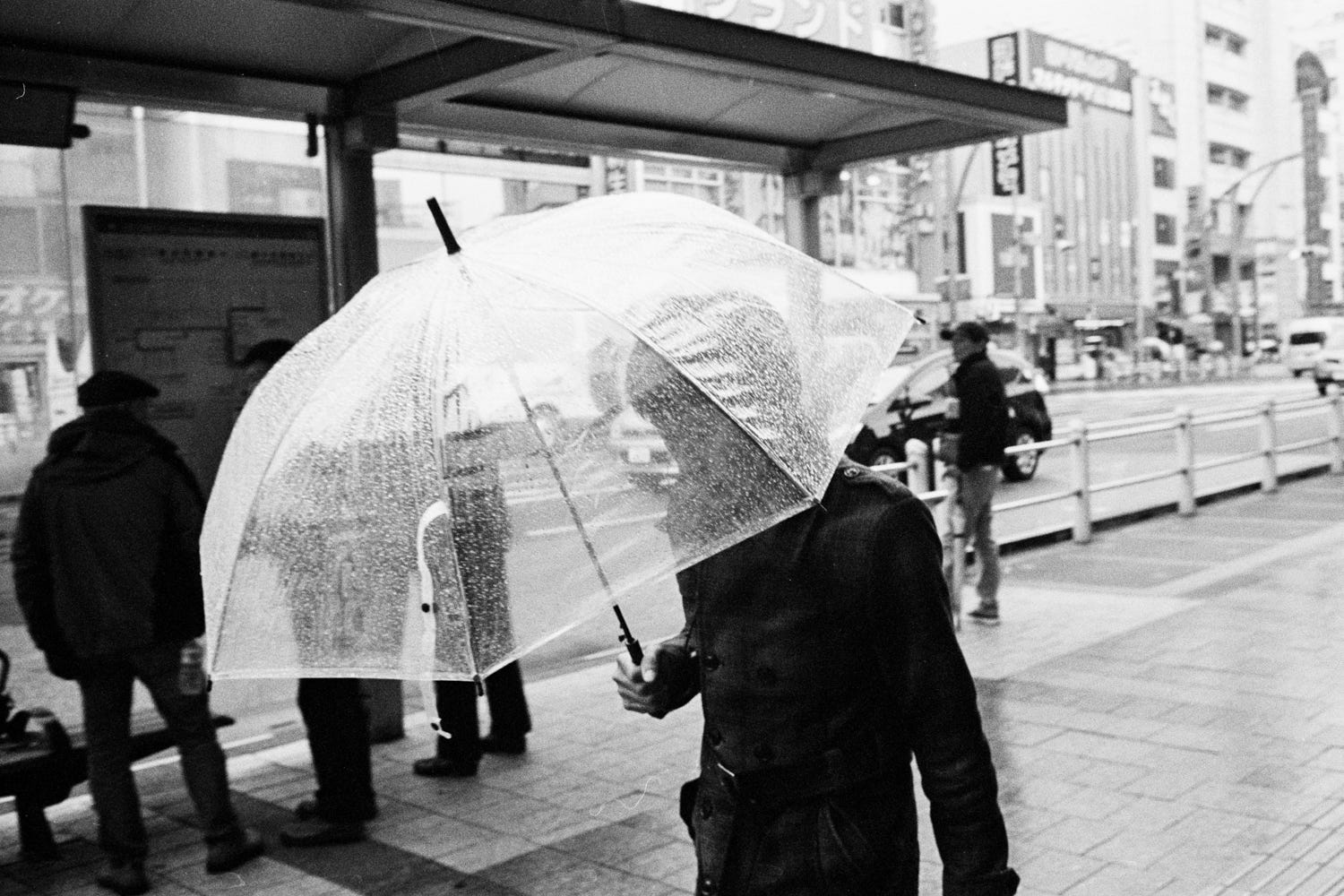
The passage of time makes ordinary images extraordinary. Something as simple as a person buying coffee on a rainy morning can become a historical artifact once enough years pass. The people in the photos move on, the buildings change, the streets look different. The more time separates us from an image, the more we see it as something special.
So if today’s everyday scenes don’t feel interesting to you, just remember—years from now, they will.
3. The Nature of Film Photography
Shooting on film forced photographers to think before they pressed the shutter. Every frame cost money. Every shot had weight.
Today, with digital cameras and smartphones, it’s easy to fire off hundreds of pictures in a single outing. The ability to take unlimited shots is convenient, but it also makes us less mindful. We shoot first and think later, often deleting photos just as quickly as we take them.
Film, on the other hand, required patience. You had to get the exposure right, frame your shot carefully, and make sure it was worth capturing. There was no instant preview, no checking to see if it "looked good." You had to trust your skills and instincts. That careful approach often resulted in images with more depth, because they weren’t just taken—they were made.
4. Fewer Photos, More Value
Today, we are drowning in images. Millions of photos are uploaded every minute. We scroll past them without thinking. Because pictures are so abundant, they’ve lost some of their impact.
In the past, photographs were rare. A family might have only a few albums filled with cherished memories. A single picture of a loved one could hold deep emotional significance. That scarcity gave photographs a power that’s harder to achieve today.
When you only have 36 shots on a roll of film, each one matters. When you shoot thousands of digital images, they can start to feel disposable. The old way of photographing life forced photographers to slow down and be intentional—and that shows in the results.
5. Less Self-Consciousness
One of the biggest differences between old street photos and today’s images is the way people behave in front of the camera.
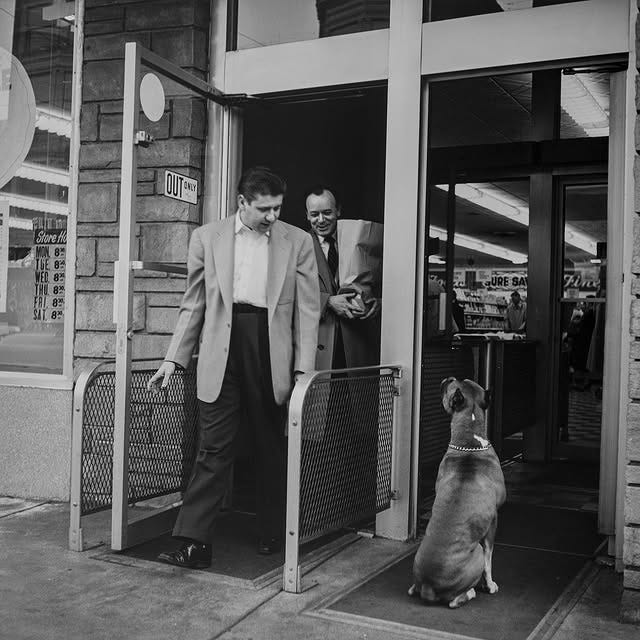
In the past, people weren’t hyper-aware of being photographed. They weren’t adjusting their posture, fixing their hair, or striking a perfect pose for social media. They just were. Photographers captured them in their natural state—laughing, thinking, working, walking—without that layer of self-consciousness we see so often today.
Now, cameras are everywhere. Everyone has one in their pocket. And because of that, people tend to perform rather than just exist. The raw, unfiltered moments are harder to come by. That’s one of the reasons old photos feel more real.
6. The Tactile Experience
There’s something special about holding a printed photograph. The texture of the paper, the slight fading of colors over time—it feels permanent in a way digital images don’t.
With digital photography, images live on screens. They can be scrolled past, lost in cloud storage, forgotten in hard drives. But a printed photo demands attention. You hold it, you see the details up close, and it exists in the physical world.
Older photos also age in a way that digital images don’t. The slight yellowing of a print, the scratches on an old negative—these imperfections add character. A physical photograph carries history with it, something a JPEG file will never quite have.
7. The Romance of the Past
It’s human nature to romanticize the past. We look at old photographs and imagine a time when life was simpler, when the world felt more tangible.
Of course, every era had its struggles. But when we see a well-dressed man walking down a 1950s street, a neon-lit diner in the 1970s, or a group of kids playing outside in the 1980s, we feel a sense of nostalgia—even if we weren’t there.
That’s the magic of photography. It makes us feel connected to times we never lived in. It turns fleeting moments into something eternal.
The Future Will Feel the Same About Today
Here’s the thing—someday, people will feel the same way about our photos.
The daily life we capture today—the streets, the people, the little moments we don’t think much about—will become fascinating to future generations. The world we live in now will one day be "the past," just like the 70s, 80s, and 90s are to us today.
So shift your perspective. Start looking at your surroundings with that same appreciation. Capture the ordinary as if it’s already history in the making. Take the shot, because in ten, twenty, or thirty years, these will be the photos that matter.
Now, grab your camera and go make something timeless.
See you in the next Ronin Lens Report!
Jas